

Someone is about to beam electricity from space. You should probably know about it.
Someone is about to beam electricity from space. You should probably know about it.
The energy problem is personal before it's global
My husband and I are about to switch to an electric car and put solar panels on our house. Why? Because utility bills and petrol are skyrocketing and like most UK families right now, we want to save anywhere we can and get the most out of every pound we earn.
But it goes beyond household bills. As AI workloads surge and data centres proliferate globally, electricity demand is growing at a pace that threatens to outstrip supply and strain national grids. Every major tech company, every hospital, every water treatment facility is quietly dependent on a grid that was not designed for the load it now carries.
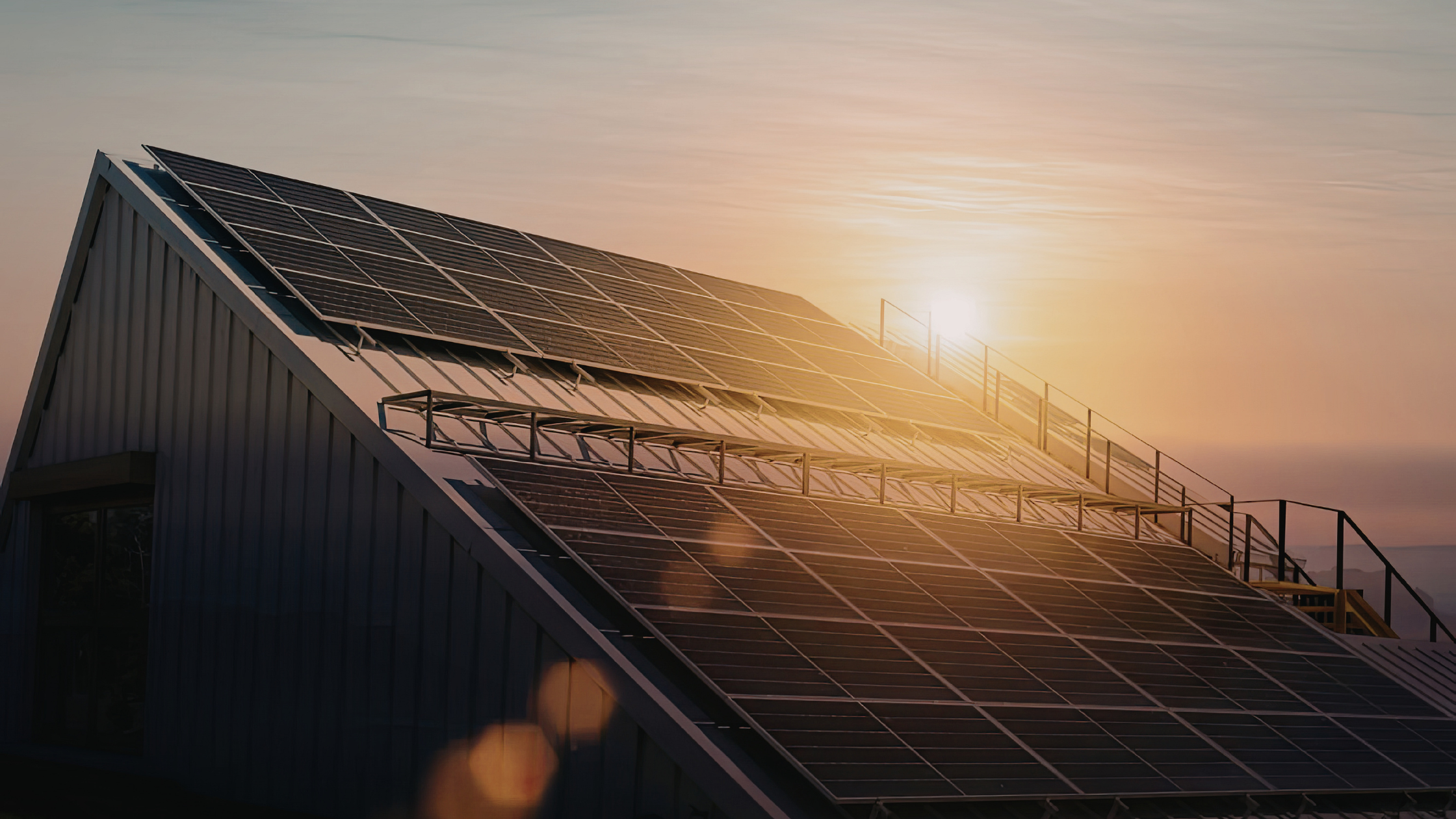
Ground solar is great but it only works about 11 to 25% of the time when you factor in night and weather, after that the electrical system automatically shifts to other power sources to ensure continuous electricity supply. For most homes and businesses, this involves drawing energy from the electrical grid or using stored battery power.
This is why, when I was watching the The Kármán Line podcast recently and heard about Space Solar and their ambition to deliver space-based solarpower in the next 6 years I got quite excited. Space-based solar power couldoperate at over 80%, closer to nuclear in terms of consistency, that’s a complete game changer. And for the two billion people around the world who don't have reliable electricity at all, it’s life changing.
Six years. One company. A completely different energy future.
I think we're all on the same page when it comes to the energy problem. We want power that doesn't cost the earth, literally and financially. And what we have falls short on both counts.
Space-based solar power is one of the most compelling answers to that problem, and it's closer to reality than most people realise. The idea is surprisingly simple: put solar panels in orbit, where the sun shines every hour of every day with no clouds, no weather, no night. Then beam that energy back to Earth and feed it straight into the grid.
UK company Space Solar believes they can make this commercially real within six years. And the conditions that make that credible, reusable rockets bringing down launch costs, successful wireless power transmission tests, and an energy security crisis that's made it genuinely urgent for governments, have all arrived at the same time.
The science is sound. Now comes the difficult part
The progress Space Solar has made is real and worth taking seriously. In 18 months, with £1.7 million of funding and 22 engineering partners, they produced what their Co-CEO describes as the most technically advanced space-based solar design in the world.
But a strong design is not the same as a done deal.
Here's where it gets interesting. There's no wire between a satellite and the ground. So the energy the satellite collects from the sun has to get back to Earth some how, and the way it does that is by transmitting power wirelessly, as radio waves, through the atmosphere to a receiving antenna on the ground. That antenna converts the radio waves back into electricity and feeds it straight into the grid.
It's actually one of the most elegant parts of the whole concept. No cables, no infrastructure, just power, delivered from space, to almost anywhere on Earth.
The catch is that wireless power transmission at that scale hasn't been done yet. It's been tested, but over about a kilometre. Getting it to work reliably from orbit is a different ball game entirely. And assembling a structure large enough to make this viable, robotically, in space, that's still largely ahead of them too.
None of that makes it impossible. What makes me excited about Space Solar is that as hard as this is, I believe they have the talent and the capability to make it happen. And the cherry on top is that they are a UK based company, adding to our sovereign space capability.
The biggest issue may well be financing, as Sam Adlen commented on the The Kármán Line podcast we need space assets to be classed as infrastructure, and finance is key to the success of the UK Space sector.
There is a gap, not in the engineering but the conversations being had. The capital needed to build this shouldn't come purely from venture capital. It should also come from the institutions that fund offshore wind farms and national infrastructure. Pension funds, energy companies, insurers. The people who understand what long-term, large-scale investment looks like.
Those people and the people building the satellites are not yet sitting at the same table.
This is the first in a series exploring how space is solving real problems on Earth, and what it will take to close the gap between what's possible and what's actually happening.
What Will It Take to Make Europe Truly Competitive in Space?
Europe has the talent. Does it have the industrial backbone to match? Reflections from a sharp panel debate at Space-comm Expo.

Geopolitics is reshaping the space market. Here's what that means for your commercial strategy.
How shifting space competition is reshaping defence procurement & what it means for the commercial strategy of space startups and scale-ups
From Strategy to Execution: The Power of Embedded Teams
Embedded growth teams drive strategy and execution, ensuring seamless integration and sustainable business success.
Why Space Companies Struggle to Reach Their Customer Base (And How to Fix It)
Many space companies struggle to reach commercial markets. Discover the key barriers to adoption and how the sector can unlock new customers
Why Brilliant Capability Still Fails Without Commercial Strategy
Technical excellence isn’t enough. Commercial advantage is designed through leadership clarity market focus & deliberate strategic choices
Ready to Reach the Customers Your Space Technology Was Built For?


© Copyright The Launch Strategist 2020. All Rights Reserved


